
Selective serotonin reuptake inhibitors (SSRIs), commonly prescribed for depression, can increase the risk of bleeding when combined with ibuprofen. Heads up that some of these “don’ts” don’t apply if you’re on one of the newer blood thinners, like Rivaroxaban (Xarelto®) or Apixaban (Eliquis®). So, it’s important to check with your healthcare provider to make sure you’re taking the appropriate precautions. Even moderate drinking can cause complications, especially if you’re on older medications like warfarin or have underlying health issues. For individuals in recovery, alcohol use also carries a high risk of relapse and medication misuse. Prioritize your health and speak to your healthcare provider about your medication, alcohol use, and overall lifestyle.
Health Categories To Explore
You usually need to do the PT test one or more times a week to once a month if you’ve had stable results. Follow your provider’s instructions for how often you need to get blood tests and when to adjust your daily warfarin dose. Then switch to warmth and gentle motion after the first couple of days.
Drinks High in Vitamin K: Important for Warfarin
Even knowing the hazards, a person with alcohol addiction may continue mixing the two. Beyond internal bleeding, individuals may experience noticeable signs of increased bleeding. These include easy bruising, frequent nosebleeds, bleeding gums, or heavier menstrual periods. Okay, but can you switch medications to make it safer to imbibe? If you’re prescribed anticoagulants, always follow the instructions of your GP or another healthcare professional. But sometimes, a blood clot can form in — or travel to — an artery that supplies your heart or brain with oxygen-rich blood.
What if I keep bruising without bumping into anything?
It’s important to confirm this with a healthcare professional. While alcohol may have blood thinning effects, it may also increase the risk of cardiovascular conditions and blood clots. Research https://dev-mohamed-aziz.pantheonsite.io/why-it-is-important-to-write-a-goodbye-to-4/ suggests drinking alcohol may thin the blood by affecting platelets, which are the parts of blood that initiate coagulation, or clotting.
What are the advantages of anticoagulants?
Light to moderate alcohol use can slightly thin the blood, but heavy drinking increases the chance of blood clot formation. While moderate drinking may have a subtle thinning effect, relying on alcohol to improve heart health or as a “blood thinner” is not recommended. Anticoagulants are a family of medications that stop your blood from clotting too easily. They can break down existing clots or prevent clots from forming in the first place. These medications can help stop life-threatening conditions like strokes, heart attacks and pulmonary embolisms, all of which can happen because of blood clots. When alcohol is included in the mix, it can alter how thin your blood is and also change how active the medication is.
This heightened injury risk, combined with impaired clotting, creates a safety concern. Drinking alcohol in moderation may have a protective effect on your blood vessels. Some research finds that alcohol increases levels of high-density lipoproteins (HDL, aka “good cholesterol”).
Aspirin and Alcohol

Like vitamin K, these all contain compounds that can counteract the blood thinners and alcohol good things that blood thinners do. Watermelon, apples, bananas, pears and peaches are also safe fruit choices. “If you’re on some blood thinners, studies show you should also stay clear of cranberry, grapefruit and pomegranate fruits and juices,” advises Dr. Bishop.
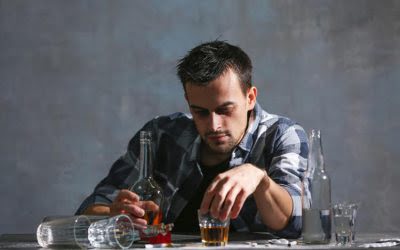
And if you have an underlying health condition such as diabetes or kidney disease, ask your doctor whether it’s safe for you to drink at all. And always keep communication open with your healthcare team about any concerns related to your medication use. While these actions reduce dangerous clots, they also impair the body’s ability to stop even minor bleeds.
For men under age 65, up to two drinks a day is considered moderate. Sometimes, hematomas cause few or no symptoms and are small enough that they don’t require surgical treatment. Your healthcare provider may order regular imaging tests (such as an MRI) to monitor the hematoma and make sure it’s healing. Healthcare providers have prescribed warfarin for decades, but it’s a finicky medicine. Foods and other medicines are just two of the things that can affect how well it works from day to day.
They often treat and prevent life-threatening conditions that can happen because of blood clots, like strokes, heart attacks and pulmonary embolisms. When you’re taking a medication as important as a blood thinner, your doctor is your most valuable resource. Open and honest communication isn’t just a good idea—it’s essential for your safety. Think of your healthcare provider as your drug addiction treatment partner in this process. They can give you personalized advice based on your specific health profile, the type of blood thinner you’re taking, and your lifestyle.

Our Addiction Treatment Centers
- Alcohol can interact with various blood-thinning medications, potentially altering their effectiveness and increasing bleeding risks.
- The interaction is not straightforward and depends on the type of medication, your overall health, and how much you drink.
- CBD can increase the level of blood thinning and other medicines in your blood by competing for the liver enzymes that break down these drugs.
- Being aware of the signs of excessive bleeding is important when taking blood thinners.
- There are several risks related to mixing alcohol and blood thinners.
This makes it hard to predict exactly what will happen, but it increases the risk of either bleeding or clot-related problems. Alcohol can also increase the risk of injuries, which can bleed more easily while someone is on blood thinners. Drugs.com warns that even moderate alcohol consumption can elevate the risk of stomach bleeding when combined with aspirin. Mixing alcohol and blood thinners requires you to be extra vigilant about your body’s signals. While the goal is to prevent any issues, knowing what to look for can make all the difference if a problem does arise.
What Are The Symptoms Of Internal Bleeding From Blood Thinners? Critical Warning Signs
About 30 grams of alcohol — equating to two standard drinks — can lower fibrinogen levels, which can affect blood clotting. Therefore, people should always check with a doctor or pharmacist whether it is safe to drink alcohol with a particular blood thinner. Being on any blood thinner will increase your risk of bleeding.